When I’m looking for inspiration, a new topic, an idea that sparks my interest, or even a quote or headline that serves as a springboard to a blog post, I often tag one of the numerous newsletters in my inbox. Or sometimes, like in this case, I go directly to the source.
Having attended several webinars hosted by Carnegie, I am well aware of the quality of their content and was not disappointed when I came across their blog post titled The Website is Dead. Long Live the Website.
The main idea of the blog post is that AI did not kill the website. The author, Voltaire Santos Miran, brings us all some comfort by stating (and I love this!) Your website has never been more important. It just has a completely different job description.
And accessibility is a mainstay of that job description.
In his post, there is a section titled Seven Ways Higher Education Websites Can Win in 2026. The second item on that list is titled Accessibility as a Growth Engine.
I must have read that title 3 or 4 times. It made me think about the impact of accessibility on organizations in a completely different way.
It hit me that I’ve written a couple of blog posts outlining accessibility as a brand builder or, on the flip side, the lack of accessibility as a brand breaker. Instead of focusing on opportunities, I focused on optics like expanded customer base, improved user experience, and of course, legal compliance - all of which are critical and are game changers.
But looking at accessibility through this broader lens has, for me, uncovered some deeper insights into the impact and the growth opportunities that can emerge when accessibility becomes a core part of an organization's culture and vision.
Growth in Excellence, Innovation, and Social Responsibility
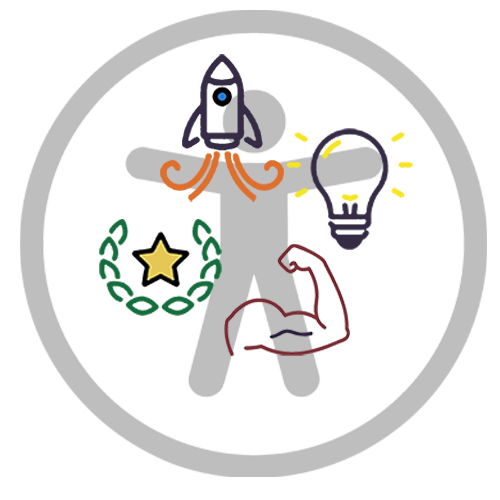
Organizations that build accessibility into their design and development practices commonly produce clearer content, more intuitive user experiences, and higher-quality products. Accessibility encourages people to think creatively, solve problems more effectively, and design for a more extensive range of needs, in turn driving innovation that benefits everyone. It also creates opportunities to attract, support, and retain employees with disabilities, bringing diverse perspectives and lived experiences into the workplace. By making accessibility a core value, organizations support a more inclusive culture where everyone can contribute, collaborate, and succeed. The result is not only higher-quality products and services, but it’s also a stronger commitment to social responsibility by removing barriers and expanding opportunities for everyone.
Growth as an Industry Leader
When accessibility is woven into an organization’s culture and long-term strategic priorities, that is a hallmark of leadership. Over time, this commitment can become a competitive advantage, attracting top talent who want to work for organizations that reflect their values, positioning the company as a forward-thinking leader, and building lasting relationships with customers, partners, and stakeholders.
Growth in Resiliency
And finally, organizations that make accessibility a strategic priority are often better positioned to respond to changing regulations and deadlines, emerging technologies, and shifting customer expectations. Because accessibility is already built into their culture, processes, and decision-making, they can pivot more quickly to change. Rather than scrambling to meet new requirements, these organizations confidently identify opportunities, influence industry best practices, and help shape the future of inclusive experiences. In doing so, they establish themselves as resilient, forward-thinking leaders who set the benchmark for others to follow.
Taken together, these three opportunities for growth prove that when accessibility is a foundational part of how an organization thinks, builds, and grows, companies innovate with purpose, lead with credibility, and adapt with confidence. In the end, organizations that make accessibility a priority are not just removing barriers. They are designing a future where accessibility, excellence, innovation, and resilience are the standard.
Resources
- Prioritize Accessibility, Elevate Your Brand
- Why Your Brand Needs an Accessibility Statement
- The Website is Dead. Long Live the Website, Accessibility as a Growth Engine
- WCAG, ADA, EAA: Decoding the Alphabet Soup of Digital Accessibility Compliance in Higher Education
A human author creates the DubBlog posts. The AI tools Gemini and ChatGPT are sometimes used to brainstorm subject ideas, generate blog post outlines, and rephrase specific sections of content. Our marketing team carefully reviews all final drafts for accuracy and authenticity. The opinions and perspectives expressed remain the sole responsibility of the human author.
