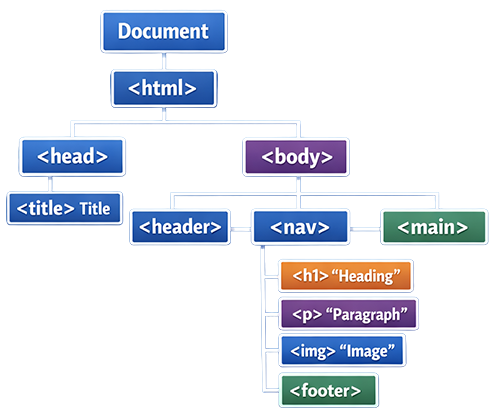
When people think about AI and websites, they often imagine sophisticated algorithms crawling pages, analyzing keywords, or ranking content. But in reality, AI systems read web content in ways strikingly similar to how screen readers do.
When AI systems crawl a webpage, they’re working from the document structure, not the pixels on the screen. They crawl the Document Object Model (DOM), the semantic HTML, and correctly applied ARIA roles, all in the exact order you wrote it. That’s how screen readers operate, which is why good accessibility tends to align so well with how AI interprets content.
In fact, the very elements that make a website accessible to screen reader users also make it easier for AI to understand, index, and interact with your content.
At the heart of all this is semantic HTML. Semantic elements like <header>, <nav>, <h1>–<h6>, and <footer> are not just coding conventions. They provide structure, hierarchy, and meaning to a page. A screen reader relies on these elements to communicate the layout and importance of the content to its user, in turn, helping them navigate the webpage more efficiently. AI systems parse that same structure to understand your site. For example, when AI encounters an <h1> element, it interprets it as the page's primary topic. Or when it encounters <nav>, it recognizes a collection of links that guide the user through the site.
ALT text is another element where AI and screen readers align. For screen reader users, descriptive ALT text turns images into usable, meaningful content. For AI systems, that exact text provides critical context by explaining what the image represents and how it fits within the page's subject. When ALT text is missing or vague, both assistive technology users and AI are left guessing, increasing the risk that important information is overlooked or misunderstood.
Proper link text matters to AI for the same reason it matters to people using screen readers. And that reason is context. Links are most useful when they make sense on their own, without relying on surrounding content. A link labeled Click here provides no meaningful context for humans or AI. On the other hand, a link labeled Chocolate Pie Recipe, clearly states what content will be found by clicking it. Descriptive link text helps AI accurately associate content and understand relationships between pages, just like those links help screen reader users navigate a site efficiently. It also provides AI with clearer context when ranking content or generating responses in AI-driven search experiences, such as Answer Engine Optimization.
Another key connection is the concept of content hierarchy. Screen readers enable users to skim headings to jump directly to the sections they want to interact with. AI models analyze heading structure to contextualize content, identify main topics, and summarize information more accurately. Pages with clear hierarchies make life easier for both humans and machines, enabling faster comprehension and easier navigation.
Accessibility compliance is becoming more than just a moral and legal responsibility. It's also a strategic advantage. Websites that prioritize accessibility compliance and best practices make their content easier to understand, navigate, and index. Search engines, content aggregators, and AI-driven tools all benefit from this clarity. For example:
- Stronger search visibility
Semantic HTML, descriptive headings, and meaningful link text make pages easier for search engines to crawl and understand. That translates into better indexing, richer search engine results snippets, and more relevant rankings. - AI-ready content
An accessible structure gives AI systems clear insights into what your content is and how it’s organized. That means your pages are more likely to be accurately summarized, cited, or surfaced in AI-powered search and discovery tools like Microsoft Bing + Copilot, Semantic Scholar, and even voice search tools like Siri, Alexa, and Google Assistant.
AI systems and assistive technologies evaluate websites through the same structural lens. What helps a screen reader user navigate a website also helps an AI system make sense of it. When you build a website with accessibility in mind, you’re creating content that works for everyone, and you're future-proofing your content.
Resources
- How Accessibility Prepares Your Website For AI Search
- Michael Bervell, Dec. 30, 2025. "But to do this, GenTabs doesn't just 'read' your website like a human. It parses your DOM (Document Object Model) and extracts meaning from your site's structure." LinkedIn post
A human author creates the DubBlog posts. The AI tools Gemini and ChatGPT are sometimes used to brainstorm subject ideas, generate blog post outlines, and rephrase certain portions of the content. Our marketing team carefully reviews all final drafts for accuracy and authenticity. The opinions and perspectives expressed remain the sole responsibility of the human author.
