Disability etiquette sounds so formal, but at its core, it’s really just about being a decent human with a bit of extra awareness baked in. Most awkward moments don’t come from bad intentions; they come from uncertainty and not knowing.
The truth is, interacting with someone with a disability doesn’t require special training. It requires the same things any good interaction does: respect, curiosity without assumption, and a willingness to listen.
In this post, we’ll walk through six best practices (there are many more (PDF)) for interacting with someone with a disability. Some practical guidance you can use right away to show respect and avoid common missteps.
- Talk to the person you’re interacting with, not the assistant, interpreter, or whoever happens to be standing nearby. Addressing the person directly is respectful, avoids awkwardness, and saves everyone from the weird experience of being talked around instead of talked to.
- Don’t assume limits. A disability doesn’t define what someone can or can’t do. Let them tell you what they need or what they’re capable of.
- Offer help, but don’t assume it’s needed. If you think someone might need help, ask before stepping in. Give them space to decide, and honor their response.
- Respect their independence. People with disabilities are fully capable of making their own decisions. Don’t second-guess them or take over.
Ok, these last two are really big deals!
- Respect personal space and privacy. Don’t touch someone’s wheelchair, cane, or other equipment without asking. Those aren’t public property, they’re personal.
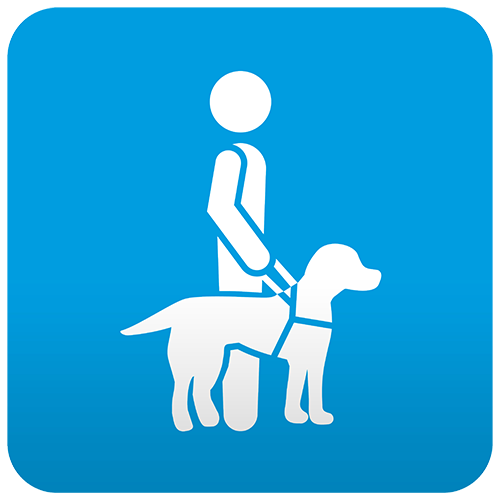
- NEVER pet, talk to, or otherwise distract a person's guide or support dog. They are working and must remain focused; staying focused is literally part of keeping their person safe.
Note: Different disabilities may require different awareness. For example, when interacting with someone who is blind, identify yourself as you enter and leave the conversation.
Disability etiquette shapes how people experience workplaces, events, customer interactions, and everyday conversations. Done well, it signals you belong here. Done poorly, even unintentionally, it can create lasting barriers.
To learn more about disability etiquette, see the course titled Disability Etiquette offered by the International Association of Accessibility Professionals’ (IAAP) mini course program.
A human author creates the DubBlog posts. The AI tools Gemini and ChatGPT are sometimes used to brainstorm subject ideas, generate blog post outlines, and rephrase certain portions of the content. Our marketing team carefully reviews all final drafts for accuracy and authenticity. The opinions and perspectives expressed remain the sole responsibility of the human author.
